
Where Should I Start Reading the Bible If I Have Never Read It Before?
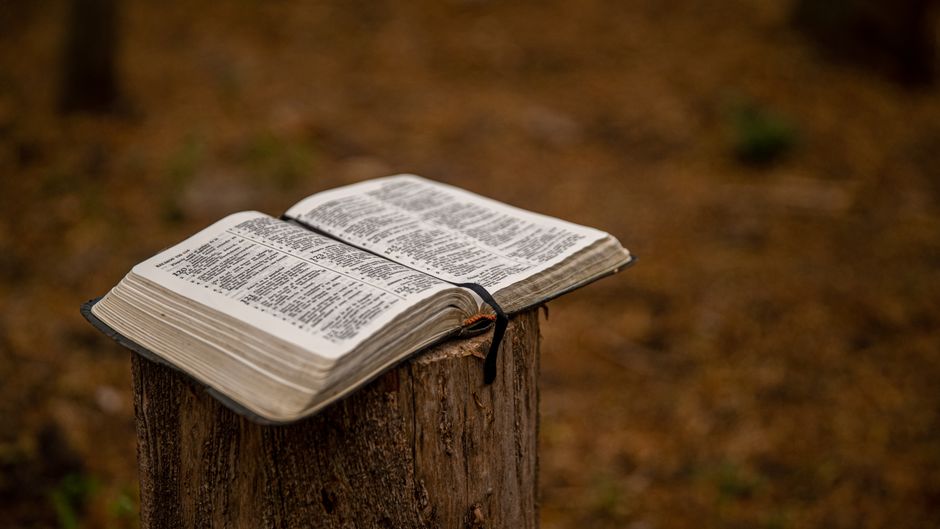
Start with a Gospel, read one short passage at a repeatable time, and use a simple three-question review instead of forcing yourself through the Bible from cover to cover. John is a strong first choice for readers who want to focus on Jesus' identity; Mark is a practical alternative when shorter, faster-moving chapters make consistency easier. Build a routine you can restart, not a reading debt you have to repay.
This matters because the starting line is crowded with bad options: an ambitious annual schedule, a random verse, or a determined march from Genesis onward. The American Bible Society reported that 57% of U.S. adults were Bible Disengaged in 2024. A smaller, clearer first move reduces the odds that your Bible becomes another unfinished project.
Where should I start reading the Bible if I have never read it before?
Start in one of the four Gospels because they introduce Jesus directly, then choose the Gospel that fits the kind of runway you need. Do not begin by asking, “Can I finish the whole Bible?” Ask, “Can I return to this passage tomorrow?” That is the better operating question.
The Gospel Coalition Canada recommends that beginners start with the Gospels rather than Genesis, noting that genealogies and laws can be difficult for a new reader. Its practical advice is plain: choose a translation you will actually read and begin with a chapter a day if that pace works for you.
| Starting route | Best fit | First move |
|---|---|---|
| John | You want a focused picture of who Jesus is. | Read John 1:1-14, then note one phrase that stands out. |
| Mark | You want a brisk narrative and a shorter chapter-by-chapter runway. | Read one chapter, then summarize it in one sentence. |
| Genesis | You want the Bible's opening story and can accept a slower, wider start. | Read Genesis 1-3 before deciding whether to continue or switch to a Gospel. |
| Psalms | You need language for prayer, praise, fear, or frustration. | Read one psalm and name the emotion or request in it. |
| Structured plan | You benefit from a preselected next step. | Use a four-week Gospel plan rather than an undifferentiated cover-to-cover plan. |
Here is the rule: choose one route for four weeks. Do not keep reopening the decision every morning. Constantly choosing the book creates more friction than reading it.
Should I read the Bible from Genesis to Revelation like a regular book?
No. Read the Bible as a library with an overarching story, not as a single modern textbook with one genre and one pace. Genesis through Revelation has an order, but that does not make cover-to-cover reading the best entry point for every beginner.
Starting in Genesis is not wrong. It gives you creation, covenant, family conflict, rescue, law, poetry, prophecy, Gospel accounts, letters, and apocalyptic vision in the broad order the collection presents them. The cost is front-loaded complexity: a new reader can hit lists, laws, and unfamiliar ancient settings before they have a clear grasp of the Bible's central story.
Genre is the first guardrail. Narrative tells events; poetry uses imagery; letters address communities; visions use symbolic imagery. BibleProject's Revelation overview describes Revelation as a message to seven ancient churches facing persecution and warns against treating it as a secret code for predicting the end of the world. Read the audience and literary form before turning a difficult passage into a personal forecast.
Use the context-before-conclusion drill. Before you write what a passage means for you, answer three questions: “What kind of writing is this?” “Who first received it?” and “What happened immediately before and after?” Those questions slow down bad conclusions without turning your reading time into a research project.
A routine also needs a recovery rule. The habit-formation study by Lally and colleagues followed volunteers over 12 weeks and found that the time to reach 95% of an automaticity plateau ranged from 18 to 254 days. It also found that missing one opportunity did not materially affect the habit-formation process. Translation: miss Tuesday, read Wednesday. Do not try to “catch up” by piling several readings onto a tired evening.
That restart rule applies to any sustainable practice. The same low-friction approach can help when building a safe at-home balance routine: return to the next planned session rather than turning one interruption into a reason to quit.
Which Gospel should a new Christian read first?
Read John first if your main question is who Jesus is; read Mark first if your main obstacle is getting started and staying with it. Both are sound choices, but John gives the clearest focused starting point for a reader seeking Jesus' identity.
BibleProject's overview of John 1-12 says John's Gospel emphasizes Jesus' identity as the Messiah and Son of God. It points readers to John 1:1-14 and highlights seven “I Am” statements by Jesus, which connect to God's name in Exodus 3. That gives a beginner an immediate thread to follow: notice what Jesus says about himself and what each scene shows about his mission.
Use this reading script after each passage: “What does this passage say?” “What does it show about Jesus?” “What question or response does it put in front of me?” Keep the answers short. One sentence each is enough.
Mark remains the better tactical pick if momentum is your priority. The Gospel Coalition Canada specifically suggests Mark or Matthew for beginners and notes that Luke and John have comparatively long opening chapters. There is no prize for choosing the theoretically best book and never opening it again. Pick the Gospel you can actually keep reading.
Build a four-week beginner reading routine
Use a fixed cue, a small passage, and a written close. Put your Bible or reading app where you will see it, then attach the practice to something that already happens: after breakfast, during a commute break, or before turning off a lamp. The cue is the appointment. The short passage is the work.
| Week | Reading assignment | Daily close |
|---|---|---|
| 1 | John 1-7, one short section or chapter each day | Write one phrase that identifies Jesus. |
| 2 | John 8-14, one short section or chapter each day | Write one question you would ask about the passage. |
| 3 | John 15-21, one short section or chapter each day | Write one action, prayer, or conversation the passage prompts. |
| 4 | Re-read five saved passages; use two days for catch-up or rest | Review your notes and circle one theme you keep seeing. |
Falling asleep? Move the appointment earlier or read aloud for five minutes. Feeling overwhelmed? Cut the passage in half. Losing consistency? Remove the punishment language. Weak version: “I am behind.” Strong version: “I resume at the next passage.” That phrase protects the routine from an all-or-nothing collapse.
At the end of four weeks, decide your next route with evidence from your notes. Continue into another Gospel, return to Genesis with better context, or add Psalms alongside a Gospel. The point is not to make Scripture feel smaller. It is to make the next faithful reading clear enough to do.
Frequently Asked Questions
How much of the Bible should I read each day as a beginner?
Read a short passage you can finish with attention, then write one sentence about what you noticed. A chapter a day is a workable starting point when it fits your schedule, but a smaller passage is better than racing through a chapter you cannot process. The goal is a repeatable reading appointment, not a page-count contest.
What should I do when I do not understand a Bible passage?
Pause and identify the book, audience, and genre before deciding what the passage means. Use a book overview or study notes, then write down one specific question rather than guessing. If the passage is still unclear, continue with the next planned reading and return after you have more context.
How can I remember what I read in the Bible?
Use a three-line close: write what the passage says, what it shows about God or people, and one action or question to carry into the day. Read in the same context when possible and review the previous day's note before starting. The written trail lowers the cognitive load because you do not have to reconstruct every prior reading from memory.
Your assignment this week is small: choose John or Mark, choose one daily cue, and read the first passage tomorrow. Write three lines afterward. Then repeat the next day without renegotiating the plan.
Sources
Read next

How Do I Choose an Online Bible Class That Fits My Church and Goals?
Choose an online Bible class by comparing its doctrine, translation, cost, format, and certificate or credit expectations.