
How Do I Choose the Best Front Door for My Home?
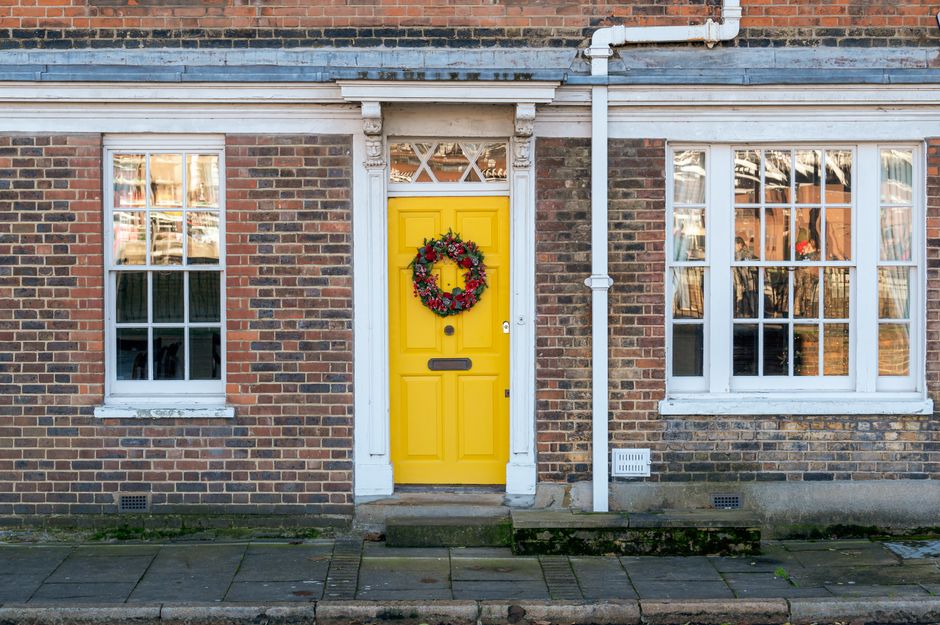
Choose a front door as a complete system: match the material and profile to your house, select NFRC-rated energy performance for your climate, and inspect the frame before choosing a slab or full replacement. Fiberglass and steel deserve comparison by rated door system, not material claims alone. Glass, color, sidelights, and installation details should serve privacy, sun exposure, security, and the opening you already have.
Is a fiberglass or steel front door better for my home?
Neither material wins on its name alone. The better door is the one with the right rated performance, configuration, frame condition, and installation for the entry it will occupy.
The U.S. Department of Energy says fenestration savings vary by climate. Its guidance puts typical U-factors across fenestration products between 0.2 and 1.2 Btu/(h-ft2-deg F); lower numbers reduce heat flow. In hot climates, DOE identifies low-gain products with an SHGC below 0.40. In cold climates, it identifies high-gain products over 0.55.
Start with the label. The National Fenestration Rating Council independently verifies U-factor, SHGC, visible transmittance, air leakage, and condensation index for residential doors. Those ratings describe the product line as tested, not a promise inferred from steel, fiberglass, or wood.
| Door choice | What the supplied sources establish | What to check before purchase |
|---|---|---|
| Steel | The 2024 Cost vs. Value Report lists a national average steel entry-door replacement job cost of $2,355 and a reported 188% cost recouped. | Compare the scope: configuration, trim, sidelights, installation, frame, and ratings. |
| Fiberglass | The same report lists its fiberglass Grand Entrance project at $11,353 average job cost and 97% reported cost recouped. | Do not treat this larger project as a like-for-like material comparison with a basic steel replacement. |
| Wood | HUD lists wood among exterior surface options, alongside metal, veneers, hardboard, plywood, laminate, and fiberglass. | The supplied public data does not rank wood, steel, and fiberglass for upkeep, weather resistance, or security. Request product-specific documentation. |
Cost is scope, not a material verdict. The 2024 Remodeling Cost vs. Value Report compares projects across 150 U.S. markets. Its steel and fiberglass examples differ sharply in configuration and project scale. Compare equal openings before comparing price tags.
For an existing opening, the frame decides much of the work. HUD states that a replacement door slab needs a frame in good condition and relatively square. A full unit replacement creates the chance to inspect the opening and improve perimeter insulation. A new slab cannot fix a damaged frame or a leaking perimeter.
What front door color adds the most curb appeal?
The color that adds the most curb appeal is the one that gives the entry a clear edge without breaking the house's existing pattern. Choose the profile first. Then choose color as the final note, not the first decision.
A plain facade carries a simple door well: a flush face, restrained panels, and limited glass keep the entry calm. A traditional facade can carry raised panels and divided-light glazing when those shapes repeat in nearby windows or trim. A more detailed entry can hold sidelights or decorative glass when the opening has enough visual weight to support them.
Color should follow fixed elements already on the house: masonry, roof, trim, shutters, and the finish of visible hardware. A dark door creates a firm focal point against pale siding. A light door can soften a dark facade. A color drawn from an existing fixed element reads as part of the whole.
Direct sun changes the question. The supplied sources do not provide a fade ranking for exterior colors or finishes. Ask the manufacturer for written information on the exact finish, door, and exposure. Do not let a paint sample stand in for a finish warranty.
Energy labels still matter at a colorful entry. DOE says low-e coatings, multiple panes, and argon or krypton fills can lower U-factor. If the chosen door uses a metal frame, DOE also calls for thermal breaks to reduce conductive heat flow. Color catches the eye. The rated system does the quiet work.
Are front doors with glass panels secure and energy efficient?
Front doors with glass panels can be secure and energy efficient when the glazing size, safety requirements, privacy level, climate rating, and lock alignment fit the opening. More glass changes the thermal and privacy tradeoff; it does not remove the need for a well-built, well-installed door.
ENERGY STAR separates opaque doors, doors with 900 square inches or less of glazing, and doors with more than 900 square inches of glazing. Its current criteria set an opaque exterior-door U-factor at 0.17 or less. For a door with up to a half-lite, the stated U-factor limit is 0.23 or less and the SHGC limit is 0.23 or less.
For doors with more than a half-lite, the limits shift by zone: U-factor is 0.26 or less in Northern and North-Central zones, and 0.28 or less in South-Central and Southern zones. The associated SHGC limits are 0.40 and 0.23. Check the ENERGY STAR specification and the exact NFRC label for the complete door system.
Glass needs a second check: safety. HUD says building codes require tempered or laminated safety glass where human impact is possible. Local code and hazard requirements still govern. Patterned, obscured, or limited glazing can preserve light while reducing views into the entry, but the supplied sources do not provide comparative privacy ratings.
The install completes the system. DOE's door installation job aid calls for the opening to be measured, jambs checked for plumb, and the threshold checked for level. It directs installers to insulate the gap between jamb and framing, seal the threshold so water flows away, seal the rough opening against air and water intrusion, and confirm a fully operating door with an aligned lockset.
Before ordering, make a short record:
- Measure the opening and confirm the replacement unit is the proper size.
- Check whether the jambs are plumb, the threshold is level, and the frame is sound and square.
- Choose the glazing amount before comparing U-factor and SHGC labels.
- Confirm local safety-glass and building-code requirements.
- Decide whether the frame needs full replacement so perimeter insulation and damage can be addressed.
Frequently Asked Questions
How do I choose a front door that suits my house style?
Start with the house's existing lines. A simple door profile suits a simple facade; a door with more panel detail or glass belongs where the trim, roofline, and entry already carry that detail. Keep the finish and glass pattern tied to the rest of the entry so the door looks built for the house rather than added to it.
Will a dark front door fade in direct sun?
The supplied public sources do not provide a fade rating for dark exterior door colors. Treat direct sun as a finish-selection question and ask the manufacturer for written finish and warranty information for the exact door, paint, and exposure. Energy performance still calls for an SHGC suited to the climate zone, especially where the entry gets strong sun.
What should I measure before ordering a replacement front door?
Measure the opening and confirm the replacement door is the proper size. DOE directs installers to check that the jambs are plumb and the threshold is level; HUD says an existing frame must be in good condition and relatively square for a replacement slab to operate properly. Also identify frame damage, perimeter air leaks, and whether a full unit replacement is needed.
Sources
- U.S. Department of Energy, Federal Energy Management Program
- U.S. Environmental Protection Agency ENERGY STAR
- National Fenestration Rating Council
- U.S. Department of Housing and Urban Development USER
- U.S. Department of Energy, Weatherization Installer Job Aids
- Remodeling Magazine / Journal of Light Construction Cost vs. Value Report